


My Little Princess : Wizard
3.782.00 Reviews
App Specs
- Version
- 7.03.02
- Updated On
- License
- $4.49
- Downloads
- 100,000+
- Developer
- My Town Games Ltd
- Categories
- Educational
- Platform
- Android
Screenshots
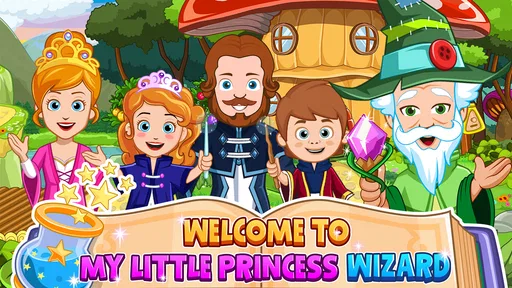
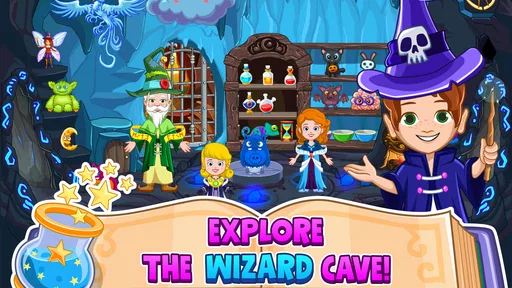
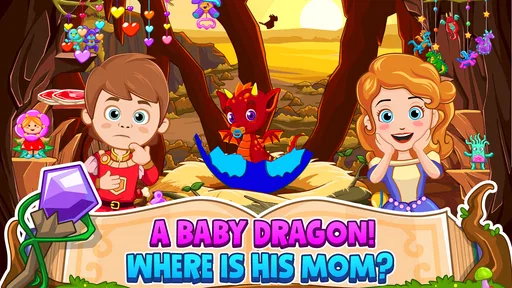
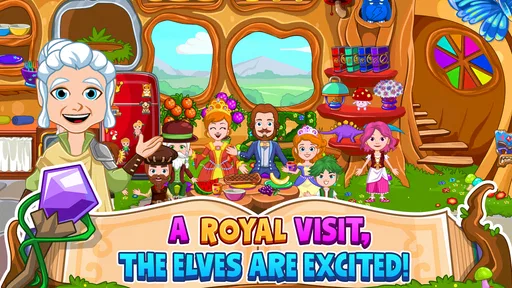

 Analysis by AppCompare
My Little Princess: Wizard is the kind of educational game I would hand to a child who enjoys inventing stories more than following a fixed challenge. I spent time treating it less like a traditional game and more like a digital playroom, testing how much freedom the castle setting gives, how easily a child can move between activities, and whether the experience remains interesting after the first discovery session. My overall impression is warm but measured: it is appealing for imaginative play, yet its value depends heavily on whether the player enjoys making their own goals.
Created by My Town Games Ltd, this game places children in a magical castle filled with interactive objects and characters. It is aimed at Everyone, runs on devices using Android 8.0 or later, and is currently listed as version 7.03.02. The game costs $4.49, with optional in-app purchases priced at $0.99 per item. That makes the purchase decision worth considering carefully, especially for families looking for a focused learning tool rather than an open-ended toy.
How the wizard castle feels in everyday play
The first thing I noticed is that the game does not push the player through a long sequence of instructions. Instead, it invites exploration. A child can tap, drag, move characters around, and combine the castle’s setting with their own ideas. That approach is useful for younger players who may lose interest when an educational app feels too much like a worksheet.
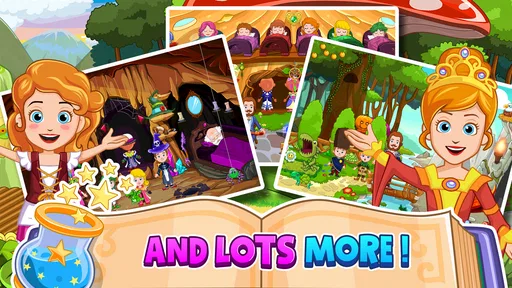
The educational element is indirect. Rather than teaching through quizzes or explicit lessons, it encourages language, sequencing, pretend play, and problem-solving through invented situations. A child might decide that a character needs to prepare a spell, search a room, help another character, or organize a small adventure. The learning comes from deciding what happens next and explaining the story aloud.
The strongest part is the freedom to create a scene before knowing exactly where it will lead. That makes the game especially suitable for siblings or a parent and child playing together. One person can set up a situation while the other reacts to it, turning a quiet tablet session into a simple storytelling activity.
I would not describe it as a conventional wizard-training game with a clear campaign, escalating missions, or a final objective. Children who expect constant rewards, puzzles with obvious answers, or a defined victory condition may wonder what they are supposed to do. The absence of pressure is a strength for creative play, but it can also feel like a lack of direction.
Why the castle setting works for imaginative learners
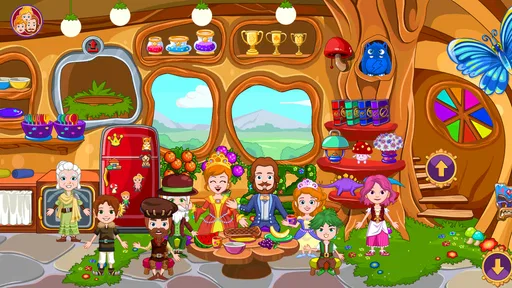
A castle is a useful setting because it naturally suggests roles and relationships. There can be a room for preparation, a place for discovery, and a reason for characters to move from one area to another. Even without a formal lesson plan, that structure gives children material for practicing everyday skills such as ordering events, describing objects, and negotiating roles with another player.
Worth Reading Before You Choose

EA SPORTS FC Mobile 26 Is a Bigger Football Game, but It Takes Time

Flipboard Shows What News Apps Must Do Beyond the Feed

Switching to Android Auto Means Rethinking Your Driving Routine

Google Calendar Makes a Crowded Week Easier to Manage

Ludo King Makes the Most of the Minutes Between Plans

Baby Panda World Brings Quick Play to Modern Phones, but Its Game Library Feels Busy
When I reviewed the experience, I found that the best moments came from slowing down rather than tapping everything as quickly as possible. Asking a child to explain why a character is entering a room, what an object might do, or how the story should end turns the game into a conversation starter. Used this way, it has more educational value than it would as a silent solo activity.
There is also a practical benefit for children who are not ready for complex controls. The open format reduces the fear of getting an answer wrong. A child can experiment, reset the scene mentally, and try another idea without being told that the attempt failed. That can make the experience more comfortable for hesitant players.
What it is like for a child playing alone
Solo play depends on personality. A child who enjoys role-play may spend a long time arranging a scene, moving characters, and building a story. Another child may explore the available interactions once and then ask what comes next. I would therefore avoid buying it solely because it is labeled educational; the child’s interest in pretend play matters more than the category label.
A realistic use case is a short afternoon break after school. Instead of opening a competitive game, a child can enter the castle, choose a character, and create a small story while a parent prepares dinner. The session works best when the child already understands that the goal is to imagine and explore. If the child needs a clearly explained task, an educational puzzle app may be a better fit.
For independent use, I would suggest introducing the game once with an adult. A quick demonstration can show that the child is not waiting for a mission prompt and can decide what to do. After that, the player can return to the castle with a clearer sense of how to begin. This small introduction makes a noticeable difference because the open-ended design can otherwise seem empty.
Playing together changes the value
The game becomes more interesting when an adult asks questions without taking control. “What does the wizard need?” or “Who should go first?” gives the child a reason to organize the scene and use descriptive language. I found this more rewarding than simply watching the child tap through objects.
It can also work for two children who are willing to share. One child can act as the storyteller while the other moves characters or objects. The trade-off is that the game does not automatically teach turn-taking; adults may need to establish a simple rule, such as alternating who chooses the next action.
This is one of the less obvious strengths of the title: the same castle can support different levels of participation. A child can play alone, a parent can guide a story, or siblings can negotiate a shared scenario. The quality of the session comes from the people involved, not just from the digital content.
Current version, changes, and what existing players should know
The current version is 7.03.02, which matters mainly because families updating an existing installation may notice that the game is being maintained rather than left in its original state. The title first appeared on March 15, 2018, so it has had time to establish its identity as part of My Town Games Ltd’s child-focused catalog.
I would be cautious about interpreting the version number as proof of a major redesign. A newer version can reflect maintenance or smaller adjustments, but it does not automatically mean that the underlying play style has changed. The central experience remains an open castle playground, so returning users should expect continuity rather than a completely different game.
For an existing player, the main practical question is whether the current installation runs comfortably on the device. Android 8.0 is the minimum operating system listed, and families using older hardware should check compatibility before purchasing or updating. A child’s experience is quickly spoiled by slow loading, uncomfortable controls, or a screen that is too small for moving objects around.
The game has reached over one hundred thousand installs and holds an average rating of 3.7 from around three thousand ratings. I read that as a sign of a fairly established but not universally loved experience. The rating fits my own conclusion: the concept is appealing, yet the open-ended structure will not satisfy every child.
There are also 82 written reviews associated with the listing, which gives prospective buyers some user feedback to examine alongside the rating. I would focus on comments that describe the child’s age, play habits, and expectations, because a complaint from someone seeking missions may not apply to a child who prefers pretend play.
How the paid model affects the decision
The upfront price of $4.49 places this closer to a paid digital toy than a free app designed to maximize repeated visits. I prefer that model for a child’s game when the initial experience is enough to judge its appeal. However, the optional purchases of $0.99 per item mean parents should still look at the purchase settings on the device before handing it over.
The important trade-off is not simply whether the price is low or high. It is whether the child will return to the same castle and invent new situations. If the player likes replaying familiar settings in different ways, the purchase can make sense. If they usually need a new level, a score, or a reward track to stay interested, the value may feel limited after the first few sessions.
I would also avoid presenting the game as a complete replacement for structured learning. It can support conversation, creativity, and basic planning, but it does not replace reading practice, guided lessons, or hands-on activities. Its best role is as one tool in a broader routine.
Small habits that make the experience better
One useful approach is to give the child a simple story prompt before play begins. For example, the wizard could need to prepare for a visitor, solve a harmless castle problem, or help a character find a place to go. The prompt creates direction without removing freedom.
Another tip is to ask the child to retell the story after the session. This turns a few minutes of tapping into practice with memory and sequence. It also reveals whether the child was genuinely engaged or merely exploring objects without forming a story.
A third approach is to use the castle as a vocabulary exercise. An adult can choose a few words related to position, action, or description and encourage the child to use them while moving characters. This is a more thoughtful use of the game than simply leaving it open as background entertainment.
These methods expose a central trade-off. The game offers room for creativity, but the adult may need to provide the structure that a level-based educational title would normally supply. Families who are comfortable adding prompts will probably get more from it than families expecting the app to teach independently.
Where it falls short compared with other children’s games
Compared with phonics games, number games, or puzzle apps, this title is less precise about the skill being practiced. A parent who wants visible progress in spelling, counting, or problem-solving may prefer an app built around those subjects. Those alternatives usually provide clearer feedback and a more obvious sense of advancement.
Compared with other digital dollhouse or pretend-play games, the wizard theme gives this one a more focused atmosphere. The castle setting can inspire stories more quickly than a completely ordinary environment, especially for children who like magic and characters. The downside is that a child uninterested in fantasy may find the theme less inviting.
Compared with a video or animated show, the game asks the child to make decisions rather than watch a finished story. That is a meaningful advantage, but it also means the experience may appear quieter and less immediately exciting. Parents should choose it for participation, not for fast entertainment.
Compared with physical toys, the game is easier to reset and offers a contained play space, but it does not provide the same tactile experience. A child who enjoys building with blocks, dressing figures, or physically arranging a room may prefer a real playset. The digital format is most useful when portability and quick setup matter.
Who should choose it, and who should skip it
I would recommend it to families with a child who likes role-play, fantasy settings, and making up dialogue for characters. It is also a good candidate for parent-child play, especially when the adult wants a gentle way to encourage storytelling without turning the activity into a lesson.
I would be more hesitant for a child who asks for goals, scores, timed challenges, or a clear finish line. The same applies to parents seeking a measurable academic curriculum. In those cases, a focused educational app with lessons and progress tracking is likely to be a better choice.
Children who share a device with siblings may enjoy the castle, but adults should be ready to manage turns and optional purchases. The game’s open design gives players freedom, yet it does not solve every social or household rule by itself.
What to watch as the game continues
For current and future players, I would watch how well the latest version preserves easy exploration while keeping the castle interesting over time. The important question is not whether the game becomes more complicated, but whether it continues to give children enough reasons to invent new scenes.
I would also pay attention to how updates affect returning families. A good update should make the experience smoother or more dependable without making the controls harder for younger players. Since the game’s appeal rests on immediate, low-pressure interaction, unnecessary complexity would work against its best quality.
Parents should keep an eye on the purchase experience as well. The base game is paid, but optional items create a second decision point. Setting household purchase controls before play is a sensible routine, particularly when the device is shared.
My final view is that My Little Princess: Wizard works best as a creative storytelling space, not as a conventional lesson game. I like its relaxed approach and the way a simple castle can become a setting for conversation, role-play, and planning. At the same time, I would not recommend it blindly to every child because the lack of fixed objectives can make the experience feel thin for players who need constant direction.
With the right expectations, it is a pleasant choice for imaginative children and families willing to participate occasionally. The paid entry point is reasonable only when the child is likely to revisit the same world and create fresh stories. If that sounds like your child, this wizard castle can provide meaningful screen time; if not, a more structured educational game will probably deliver clearer value.
Pros
- Creative wizard-themed locations encourage imaginative roleplay.
- Simple tap-and-drag controls are suitable for young children.
- Characters and objects can be combined for playful storytelling.
- Offline play makes it convenient during travel or without Wi-Fi.
- Bright visuals and gentle interactions create a child-friendly atmosphere.
Cons
- Limited challenge may feel repetitive for older children.
- Some content and features may require additional purchases.
- The open-ended gameplay offers little structured progression.
- Frequent object tapping can become distracting or overwhelming.
- Performance may vary on older phones and tablets.
FAQs for My Little Princess : Wizard
What is My Little Princess: Wizard about?
My Little Princess: Wizard is an imaginative role-playing and exploration game designed for children. It lets players discover a magical world filled with wizard-themed locations, characters, objects, and interactive activities. Rather than following a strict storyline, the game encourages open-ended play, allowing children to create their own adventures, experiment with the environment, and act out stories using familiar fantasy elements.
Is My Little Princess: Wizard suitable for children?
The game is aimed primarily at young children and is designed around creative, non-competitive play. There are no complicated controls or demanding missions, so younger players can explore at their own pace. Parents should still review the recommended age rating, privacy information, and available purchase options before downloading, especially if the device is shared with children.
Does the game require an internet connection?
Much of the core gameplay can generally be enjoyed offline after the application has been installed, which is convenient for travel or situations without Wi-Fi. However, certain functions may depend on an internet connection, including downloading updates, restoring purchases, or accessing store-related features. Availability can also vary by device, operating system, and the version installed.
Is My Little Princess: Wizard free to download?
The game may be available as a free download or may include optional purchases, depending on the platform and region. Some content can be accessible immediately, while additional characters, locations, or features may require an in-app purchase. Before allowing a child to play, parents should check the store listing and enable purchase restrictions to avoid accidental transactions.
What devices can run My Little Princess: Wizard?
My Little Princess: Wizard is designed for compatible Android and iOS smartphones or tablets, but performance depends on the device model, operating-system version, available storage, and graphics capability. Older devices may experience slower loading or reduced smoothness. It is best to check the current Google Play or App Store requirements before downloading, particularly when installing it on an older tablet.


